


 Kathryn Sears
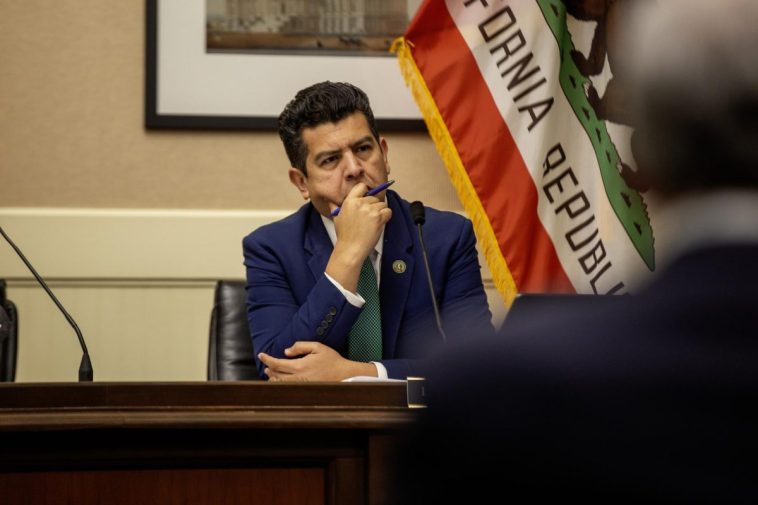
Assemblyman David Alvarez (D, Chula Vista) chairing a hearing of the California Assembly Subcommittee on Education Finance on California community colleges, state college and university budgets for 2026 at the state Capitol in Sacramento, Calif on Feb. 17, 2026.
The Assembly Budget committee held the first hearings on Feb. 17 in the State Capitol on the California state budget focusing on public state colleges, universities and community colleges.
The California community college system is the nation’s largest college system serving 2.1 million students.
Kicking off the hearing was the California community college chancellor, Sonya Christian, who called for increased funding for large enrollment growth in the upcoming state budget. Christian called for increased funding to accommodate post-pandemic enrollment growth at community colleges. While the governor’s budget proposed a 1.5% enrollment growth, Christian called for an enrollment growth of a full 3% for the next two budget years.
According to the Legislative Analyst office In 2026‑27, ongoing core funding grows by 8.8% at the California community colleges.
California State University Chancellor Mildred Garcia and University of California President James Milliken testified in a unique showing of all three of the state’s higher education institutions.
In an interview after the hearing, Christian spoke to community college students. “I would tell our current students and I would tell all Californians who are our future students to be confident in their higher education. … The State of California is investing in education for California.”
During the budget hearing, Assemblymember David Alvarez (D) of San Diego said his biggest takeaway was his perspective that the state’s college systems need to be more of a team rather than separate institutions. This means improved teamwork between California community colleges, Cal States and University of California organizations.
“We’re trying to serve the same students,” Alvarez said, adding that there are too many regulations and layers for approval that make it harder for colleges to promptly adjust as the economy evolves.
One of Alveraz’s main goals on this budget cycle is to extend bachelor’s degree programs at the community colleges. With more than 2 million students enrolled in public higher education institutions in California — a record high — Alvarez said that if we can allow for students to obtain four-year degrees at community colleges, they can save money and create new open doors for students who do not have a UC or CSU institution nearby.
Alvarez’s main focus on affordability and access to a college is near and dear to him. He was the first to attend college in his family at San Diego State University and grew up in a low-income home where college wasn’t a given. Being able to have a college close by and financial aid to help get through his higher education is what transformed his life.
Alvarez’s main goal now is to make sure the state’s community colleges provide three things: proximity, affordability and degrees that pave the way to real jobs.
The State’s Assembly and Senate have begun the months-long process of considering the full California state budget for the 2026-2027 fiscal year. The final budget is required to be approved by the Legislature by June 15. The next assembly hearing on higher education will be held in April.

Kathryn is the main contributor to the quiz section of LaDailyGazette.com. If you have an idea for a quiz, let us know.